


If you're thinking about building an in-law apartment in Salem, New Hampshire, you're not alone.
More homeowners are exploring ways to create additional living space for aging parents, adult children, extended family, or future flexibility. Whether you call it an in-law apartment or an Accessory Dwelling Unit (ADU), these spaces have become one of the biggest housing topics across New Hampshire.
Recently, the Salem Planning Board discussed ADUs during a public workshop, providing homeowners with useful information about the planning process and some of the considerations involved. Rather than simply summarizing the meeting, I'd like to explain what those discussions mean if you're thinking about building one yourself.
What Is an In-Law Apartment (ADU)?
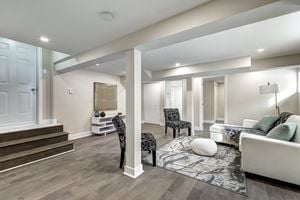
An Accessory Dwelling Unit (ADU) is a secondary living space located on the same property as a primary home.
Common examples include:
- Basement apartments
- Apartments over garages
- Attached additions
- Detached backyard cottages
For many homeowners, an ADU provides flexibility without requiring family members to move far away. Others see it as a long-term investment that can adapt to changing family needs.
Why Are More New Hampshire Homeowners Considering ADUs?
Several trends are driving interest in ADUs throughout New Hampshire.
Families are increasingly looking for housing options that allow multiple generations to live close together while maintaining some privacy. Rising housing prices have also made homeowners think differently about how they can use existing properties more efficiently.
For buyers, purchasing a home that may eventually accommodate an ADU has become an important consideration.
What the Salem Planning Board Recently Discussed
One reason I follow Planning Board meetings is because they often highlight questions homeowners don't think about until they're already well into a project.
During a recent Salem Planning Board discussion, town officials explained that homeowners should consider several factors before planning a detached ADU, including:
- Septic system capacity
- Utility connections
- Site layout
- Local zoning requirements
- Building placement on the lot
These discussions weren't intended to discourage homeowners from building ADUs. Instead, they emphasized the importance of understanding a property's limitations before investing in architectural plans or construction.
Septic Systems May Be One of the Biggest Considerations
One topic that received significant attention during Salem's discussion involved private septic systems.
Unlike homes connected to public sewer, properties served by private septic systems may require additional evaluation before supporting another dwelling unit. Depending on the property, homeowners may need engineering review or additional planning to determine whether an ADU is feasible.
Every property is different, which is why it's important to begin asking these questions early in the planning process.
What Home Buyers Should Think About
Even if you're not planning to build an ADU today, it's worth thinking ahead if you're shopping for a home.
Some questions I encourage buyers to ask include:
- Is the home connected to public sewer or private septic?
- Does the lot provide enough usable space?
- Where could an in-law apartment realistically be located?
- Would an attached or detached ADU make more sense?
- Are there any obvious site constraints?
Thinking about these issues before purchasing a home can help avoid costly surprises later.
Why This Matters Beyond Salem
Although this discussion took place in Salem, similar conversations are happening throughout New Hampshire as communities respond to changing housing needs.
That's why I believe these Planning Board discussions are valuable—not because they're government meetings, but because they often provide insight into issues that affect homeowners, buyers, sellers, and future property decisions.
Understanding those conversations today can help you make more informed real estate decisions tomorrow.
My Goal With These Development Updates
Many people don't have the time to attend Planning Board meetings or read through hundreds of pages of meeting minutes.
That's where I hope these updates help.
Rather than recapping government meetings, my goal is to translate local planning discussions into practical information for homeowners, buyers, sellers, and anyone considering a move to Southern New Hampshire.
If you're thinking about buying, selling, or building in Salem or anywhere in Southern New Hampshire, I'd be happy to help you understand how these local decisions may affect your plans.
Watch the Video
Frequently Asked Questions About Building an In-Law Apartment in Salem, NH
Can I build an in-law apartment in Salem, NH?
In many cases, yes, but the answer depends on your property's zoning, lot characteristics, utilities, and whether the project complies with local regulations. It's important to verify requirements with the Town of Salem before beginning a project.
What's the difference between an ADU and an in-law apartment?
An ADU (Accessory Dwelling Unit) is the official planning and zoning term for a secondary living space on the same property as a primary residence. Many homeowners simply call it an in-law apartment.
Does every ADU require a new septic system?
Not necessarily. Requirements depend on the property, existing septic capacity, and the specifics of the proposed project. During Salem Planning Board discussions, septic planning was identified as an important consideration for detached ADUs.
Why should home buyers think about ADUs before purchasing?
If you hope to build an in-law apartment in the future, choosing a property that can accommodate one may save significant time and expense later.
About the Coop Group Home Team
The Coop Group Home Team helps buyers and sellers throughout Southern New Hampshire, including Salem, Pelham, Windham, Londonderry, Derry, Bedford, Manchester, Merrimack, and the surrounding communities.
Whether you're relocating, buying your first home, moving up, downsizing, or planning future improvements like an in-law apartment, we're here to help you make informed real estate decisions.
About Kevin Cooper
Kevin Cooper is a REALTOR® and co-founder of the Coop Group Home Team, serving buyers and sellers throughout Southern New Hampshire.
Kevin regularly reviews Planning Board, Zoning Board, and municipal meetings to help homeowners and people relocating to the area understand how local development decisions may affect neighborhoods, property values, and future housing opportunities.
When he isn't helping clients buy or sell homes, Kevin creates educational content about living in Southern New Hampshire.
Sources
Information in this article is based on publicly available Town of Salem Planning Board materials and official municipal resources, including:
- Salem Planning Board meeting minutes
- Salem Planning Board agendas
- Salem Planning Department presentations
- Salem ADU information
- Applicable New Hampshire statutes and local zoning regulations
For the most current requirements, always consult the Town of Salem before beginning any project.
Check out this article next